
The Story of Tea
For over 5,000 years, tea has woven itself into the fabric of human civilization, transcending borders, cultures, and time itself.
Ancient Origins
Legend tells us that in 2737 BCE, Chinese Emperor Shen Nung discovered tea when leaves from a wild tree blew into his pot of boiling water. The resulting infusion captivated him with its delicate aroma and restorative properties.
What began as a medicinal drink in ancient China evolved into a sophisticated cultural practice. During the Tang Dynasty (618-907 CE), tea cultivation and preparation became an art form, with scholars like Lu Yu writing the first definitive work on tea, the Cha Jing (Classic of Tea).
Buddhist monks embraced tea for its ability to promote alertness during meditation. They cultivated tea in temple gardens, refined processing techniques, and eventually carried tea culture to Japan, Korea, and beyond.
2737 BCE
Emperor Shen Nung discovers tea
618 CE
Tang Dynasty elevates tea culture
800 CE
Buddhist monks bring tea to Japan
1211 CE
Eisai introduces Zen tea ceremony
1610 CE
Dutch merchants bring tea to Europe
1773 CE
Boston Tea Party changes history

From Mountain to Cup
The Perfect Environment
Tea plants (Camellia sinensis) thrive in mountainous regions with cool, misty mornings and warm afternoons. The finest teas come from high-altitude gardens where clouds embrace the hillsides, and mineral-rich soil nourishes each plant.
In regions like Shizuoka, Darjeeling, and Wuyi, generations of tea farmers have perfected their craft, understanding the delicate balance between nature and nurture. They know when each leaf reaches peak maturity, when the first flush promises the most delicate flavor.
The Harvest
Master tea pickers move through gardens with practiced precision, selecting only the youngest leaves and unopened buds. This first flush of spring yields the most prized teas, their leaves tender and bursting with concentrated flavor.
Each picker harvests by hand, ensuring only the best leaves make it from garden to cup. This labor-intensive process has remained unchanged for centuries, a testament to the reverence placed on quality over quantity.
Six Types
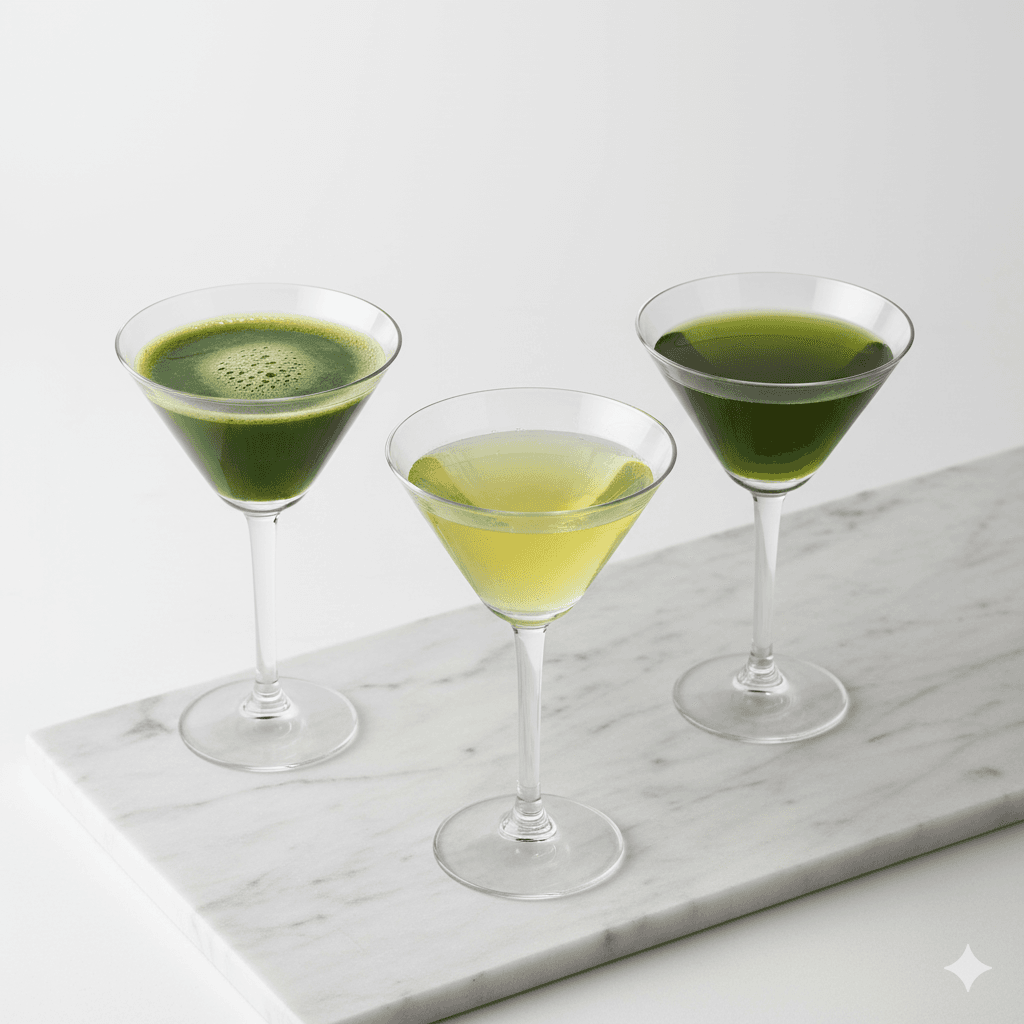
All tea comes from the same plant, yet processing methods create six distinct categories, each with unique characteristics and flavor profiles.
White Tea
Oxidation: 5-10%
Delicate, subtle, naturally sweet
The least processed of all teas, white tea consists of young leaves and buds that are simply withered and dried. Silver needles and white peony are prized for their gentle, nuanced flavors reminiscent of honey and fresh flowers.
Green Tea
Oxidation: 0%
Fresh, grassy, vegetal
Leaves are quickly heated (steamed in Japan, pan-fired in China) to prevent oxidation, preserving their green color and fresh character. Sencha, matcha, and longjing offer vibrant, clean flavors with hints of seaweed, grass, and nuts.
Yellow Tea
Oxidation: 10-20%
Mellow, smooth, slightly sweet
A rare category, yellow tea undergoes a unique "sealed yellowing" process that creates a mellower, less grassy flavor than green tea. Prized in China for its silky texture and gentle complexity.
Oolong Tea
Oxidation: 20-80%
Complex, fruity, floral
Partially oxidized, oolong bridges the gap between green and black tea. Artisans carefully control oxidation levels, creating teas ranging from light and floral to dark and roasted, with notes of orchid, peach, and caramel.
Black Tea
Oxidation: 100%
Bold, malty, robust
Fully oxidized leaves turn from green to copper to black, developing rich, complex flavors. Assam, Darjeeling, and Keemun offer everything from brisk and malty to delicate and muscatel-like notes.
Dark Tea (Puerh)
Oxidation: Post-fermented
Earthy, smooth, aged
Undergoes microbial fermentation, sometimes for years or decades. These living teas develop deep, earthy, complex flavors with notes of forest floor, aged wood, and sweet dates. Valued like fine wine for their age and provenance.
The Art of Brewing
Brewing tea is both science and art. Water temperature, steeping time, and the ratio of leaves to water all dramatically affect the final cup. Master this, and you unlock the full potential hidden in each leaf.
Heat the Water
Different teas require different temperatures. White and green teas need cooler water (160-180°F), while black and puerh teas benefit from boiling water (200-212°F).
Measure the Leaves
Use approximately 2 grams of tea per 8 ounces of water, adjusting to taste. Quality loose leaf tea can be steeped multiple times, revealing new dimensions with each infusion.
Time Your Steep
Start with 2-3 minutes for most teas. Green teas need less time, while black teas can steep longer. Adjust based on desired strength.
Pour and Enjoy
Strain the leaves and pour. Notice the color, inhale the aroma, taste mindfully. Each cup is a moment of pause, a connection to thousands of years of tradition.
Ceremony & Ritual
In Japan, the tea ceremony (Chanoyu) is a choreographed ritual of preparing and serving matcha. Every movement, from the way the bowl is turned to how water is poured, carries centuries of meaning. It embodies four principles: harmony (wa), respect (kei), purity (sei), and tranquility (jaku).
In China, the Gongfu tea ceremony emphasizes skill and attention. Small clay pots, multiple quick infusions, and mindful tasting transform tea drinking into meditation. Each session is an opportunity to slow down, to be present, to connect with others.
These rituals remind us that tea is not simply a beverage but a practice—a way to punctuate our days with moments of intentionality, beauty, and peace.
Our Journey
CELO was born from a profound respect for this ancient tradition and a desire to share it with modern tea lovers. We travel to remote tea gardens, building relationships with farmers who dedicate their lives to their craft.
Every tea in our collection tells a story—of place, of people, of process. We source only from gardens that practice sustainable cultivation, that pay fair wages, that honor the land. Our minimal packaging reflects our philosophy: let the tea speak for itself.
When you brew a cup of CELO tea, you're participating in a lineage that spans millennia. You're supporting artisans who have devoted their lives to perfecting their craft. You're creating a moment of tranquility in an increasingly chaotic world.
This is more than commerce. This is stewardship of tradition, connection to nature, and mindfulness in action.

Every cup is an invitation to slow down
Explore Our CollectionThank you for taking this journey with us